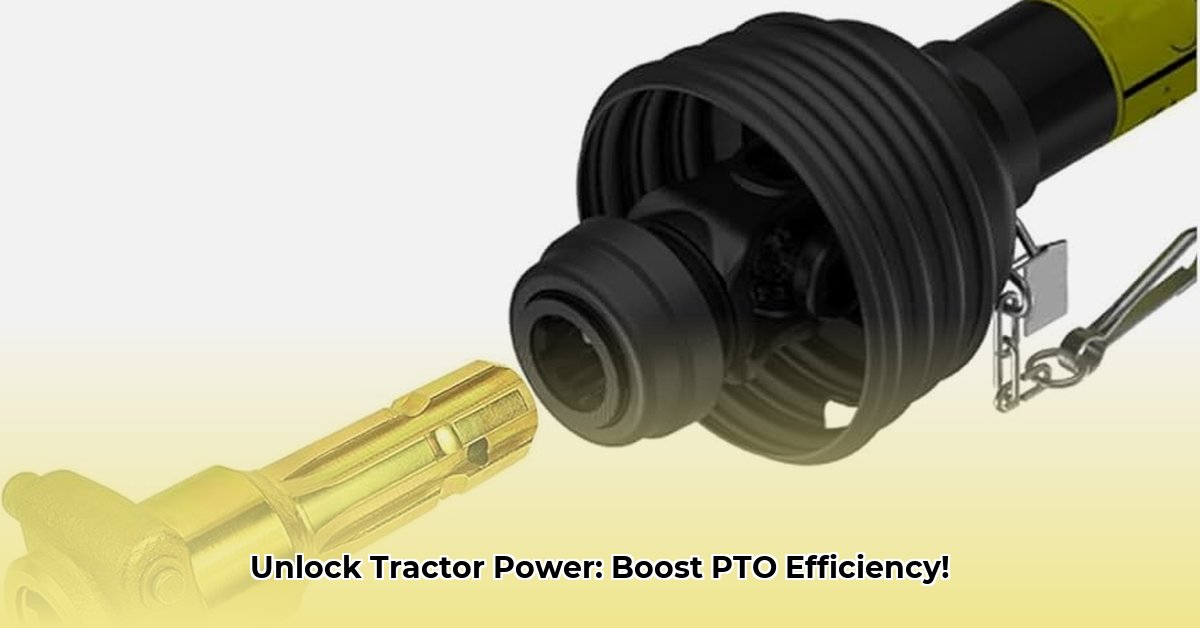
Understanding PTO Adapters and Their Mechanics
Power take-off (PTO) adapters are critical components in modern agriculture, facilitating efficient power transfer between a tractor's PTO system and various implements. These adapters act as intermediaries, compensating for variations in PTO shaft dimensions and configurations across different manufacturers and equipment types. This guide provides a comprehensive overview of PTO adapters, covering their functionality, selection, installation, and maintenance – essential knowledge for maximizing efficiency and minimizing downtime on your farm. Have you ever experienced frustrating delays due to incompatible equipment? Understanding PTO adapters can eliminate these issues. For more detailed information, check out this helpful resource on PTO adapter selection.
PTO System Fundamentals
The PTO is the tractor's mechanical power output shaft, transferring rotational power from the engine to driven implements like tillers, balers, and sprayers. While the PTO speed (typically 540 or 1000 RPM) is often standardized, the shaft diameter and spline configuration are frequently not, necessitating the use of adapters.
Types of PTO Adapters
Several PTO adapter types cater to different applications and requirements:
Shaft-to-Shaft Adapters: These adaptors connect PTO shafts of varying diameters using simple mechanical coupling mechanisms. They are widely available, cost-effective, and suitable for many applications where precise speed or torque adjustments aren't required. Think of them as the most basic solution for connecting compatible implements.
Gear-to-Gear Adapters: These adapters use gears to alter the speed and torque ratios, offering greater flexibility in matching the implement's specific needs to the tractor's PTO output. Ideal for situations where the implement demands different speed or torque levels than the tractor's PTO provides.
Specialized Adapters: Due to non-standard PTO configurations on certain equipment, specialized adapters are sometimes needed. These are often custom-designed or sourced specifically from the implement manufacturer to ensure compatibility. These are commonly used with older or more specialized equipment.
Choosing the Right PTO Adapter: A Step-by-Step Guide
Selecting the right PTO adaptor is crucial for both performance and safety. A poorly selected adaptor can lead to operational issues, reduced efficiency, and potential mechanical damage. Follow this structured approach:
Measure PTO Shaft Diameters: Accurately measure both the tractor's PTO shaft and the implement's input shaft diameters. Inaccurate measurements can result in improper fitting and potential damage.
Verify Horsepower Rating: Consult the tractor's and implement's manuals to determine the PTO horsepower output and implement power requirements. Ensure the selected adapter's horsepower rating exceeds the implement's demands. Choosing an adaptor with insufficient horsepower is dangerous.
Consider Material and Construction: Select adaptors made of durable, corrosion-resistant materials such as hardened steel. The material should withstand the stresses of operation and resist wear and tear from exposure to the elements.
Check for Compatibility: Always verify the adapter's compatibility with both the specific tractor and implement models. Consult manufacturer specifications or contact the equipment suppliers to confirm you are purchasing the correct part. Improper matching will result in inefficient power transfer.
Installation and Maintenance: A Safety-Focused Approach
Proper installation and regular maintenance are vital for ensuring the adapter's longevity and safe operation. Neglecting either can result in failure and potential injury.
Step-by-Step Installation
Safety First: Always ensure the tractor's engine is off, the PTO is disengaged, and the key is removed before starting any installation or maintenance work. Safety should be your top priority.
Precise Alignment: Carefully align the adapter's shafts with both the tractor's PTO shaft and the implement's input shaft. Misalignment creates excessive stress and can cause rapid wear or damage.
Secure Fastening: Tighten all fasteners securely and to the manufacturer's specified torque using the appropriate tools. This prevents slippage and maximizes connection durability.
Lubrication: Apply a suitable lubricant to the shaft splines and other moving parts to reduce friction and prolong the adapter's lifespan. Lubrication is crucial.
Test Run: After installation, slowly engage the PTO and listen for any unusual noises or vibrations. Immediately shut down the tractor if anything seems unusual. A test run is essential.
Routine Maintenance
Regular inspection for wear, damage, or loose connections is crucial. Lubricate moving parts regularly, and replace any damaged components promptly. Regular maintenance significantly extends the adaptor's operational life.
Troubleshooting Common Problems
While PTO adapters are generally robust, issues can arise. Here are some common problems and solutions:
Excessive Vibration: Misalignment is the likely culprit here. Recheck installation, ensuring perfect shaft alignment and secure tightening of all fasteners.
Slippage: Insufficient spline engagement commonly causes slippage. Clean and lubricate the splines, ensuring a firm, secure connection.
Unusual Noises: Grinding, squealing, or clicking sounds indicate internal damage. Thoroughly inspect the adapter for any signs of wear or damage, and replace it if necessary.
Future Trends in Sustainable PTO Adapters
The agricultural industry is exploring options for smarter, more sustainable PTO systems. Standardized interfaces, quick-release mechanisms, and innovative materials (like lighter, stronger composites) are all areas of ongoing development. These innovations promise to improve efficiency, reduce downtime, and minimize environmental impact.
Conclusion
Selecting and maintaining the appropriate PTO adapter is crucial for efficient and safe farm operations. Understanding the various adapter types, following the installation and maintenance guidelines, and promptly addressing any issues will minimize downtime, enhance productivity, and contribute to your farm's overall sustainability. Prioritizing safety throughout the process remains paramount.